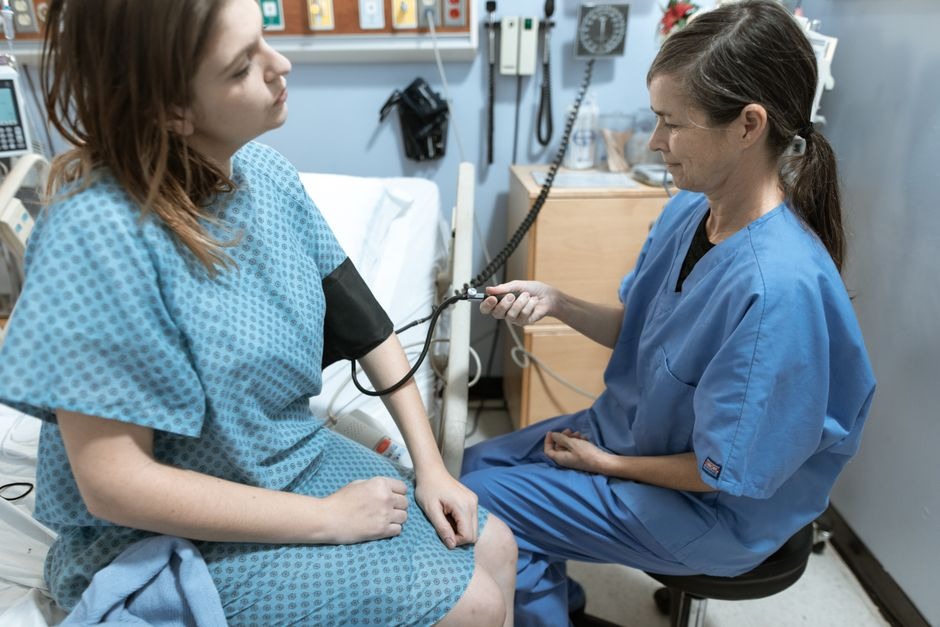
Healthcare keeps changing, and nursing roles are changing right along with it. If you’ve noticed nurses taking on bigger responsibilities than before, you’re not imagining things; they really are moving into bigger and better roles. In many care settings, they do far more than check vitals and hand over discharge papers.
They help guide treatment, educate families, and often become the steady voice in a stressful room. That shift matters for patients, care teams, and anyone curious about where medicine is heading next.
Why roles are growing
You’re seeing more nurses step into larger care roles because healthcare systems are stretched, patients are living longer, and chronic conditions need closer follow-up. A quick visit and a pat on the back don’t cut it when someone is managing diabetes, heart disease, or asthma for years.
That’s part of why interest in advanced practice nursing keeps growing. These roles can help fill gaps in care while giving patients more access to trained professionals who can assess symptoms, support treatment plans, and answer questions in plain language.
It’s also about teamwork. Doctors, nurses, therapists, and specialists all have different strengths. Expanded nursing roles can make that team run more smoothly, a bit like adding another good cook to a busy kitchen. Fewer bottlenecks, more support, and hopefully less standing around wondering where your chart disappeared.
What the job includes
If you’re wondering what these nurses actually do, the short answer is: quite a lot. Their responsibilities often go beyond basic bedside tasks and into direct patient management. That can include evaluating symptoms, ordering certain tests, helping create treatment plans, and tracking how patients respond over time.
You might meet one in a family clinic where they review your health history, talk through medications, and explain what your next steps should be. In some settings, they also help manage long-term conditions and encourage better daily habits. That could mean discussing sleep, diet, movement, and stress instead of tossing medical jargon at you like confetti.
They also spend plenty of time teaching. Patients don’t just need care. They need to understand it. A clear explanation about a blood pressure reading or follow-up appointment can make all the difference between confidence and confusion.
Where they make an impact
These roles matter in more places than many people realize. Hospitals are the obvious example, but that’s only one piece of the puzzle. You’ll also find them in urgent care centers, private practices, specialty clinics, schools, community health sites, and long-term care settings.
In rural or underserved areas, their impact can be especially noticeable. Some communities simply don’t have enough providers to meet demand. When a qualified nurse can help deliver more direct care, people may get seen sooner and avoid letting a problem grow into a bigger one.
They also help with continuity. If you’ve ever had to explain your health story five times to five different people, you know how exhausting that can be. Nurses in expanded roles often become consistent points of contact. That familiarity helps patients feel more comfortable, and comfort has real value when you’re talking about your health, not your coffee order.
Skills that matter most
Big responsibilities need more than textbook knowledge. You need strong people skills too. Communication is huge. Patients may be scared, distracted, or overwhelmed, so the ability to explain things clearly matters just as much as clinical training.
Calm decision-making is another key skill. Healthcare can get hectic fast. A good nurse in an expanded role has to notice small changes, weigh options, and respond without turning the room into a panic parade. Staying steady helps patients stay steady too.
Empathy also carries a lot of weight. People remember when someone listened to them, believed their concerns, and treated them like a person instead of a number on a chart. That human connection can improve trust, and trust makes care work better.
Then there’s organization. Appointments, follow-ups, medications, notes, care coordination. It’s not glamorous, but it’s essential. A sharp memory helps, but a solid system helps even more.
Training takes commitment
These roles don’t appear overnight. They require more education, supervised clinical experience, and licensing beyond the level expected in many standard nursing positions. The path can vary by specialty and location, which means there isn’t one neat little map that fits everyone.
What stays true is the commitment. You’re looking at years of study, practical training, exams, and ongoing learning after that. Medicine changes, treatment standards shift, and patient needs evolve. Anyone stepping into this kind of role has to be ready to keep learning long after graduation caps stop flying.
That may sound intense, because it is. Still, it’s one reason patients and employers value these professionals so highly. You’re not just getting someone with good intentions. You’re getting someone who has put in serious time to build judgment, confidence, and practical skills in real care settings.
Why patients notice
Patients often notice the difference in simple ways. They feel heard. They get clearer explanations. They spend less time wondering what happens next. That doesn’t mean every visit becomes sunshine and perfect parking, but it can make care feel more personal and less rushed.
In some settings, expanded nursing roles may also help with access. If more qualified professionals are available to evaluate and manage care, wait times can ease, and follow-up can improve. For someone dealing with a nagging health issue, that support can be a big relief.
There’s also a trust factor. Many patients build strong relationships with nurses because they often spend more time talking through concerns, habits, and goals. That conversation can lead to better choices at home, where most health decisions actually happen.
Looking ahead, these roles will likely keep growing because healthcare needs practical problem-solvers. And when care feels more connected, informed, and human, everybody wins. That’s not just good medicine. It’s common sense with a stethoscope.

Stay updated, free articles. Join our Telegram channel

Full access? Get Clinical Tree


