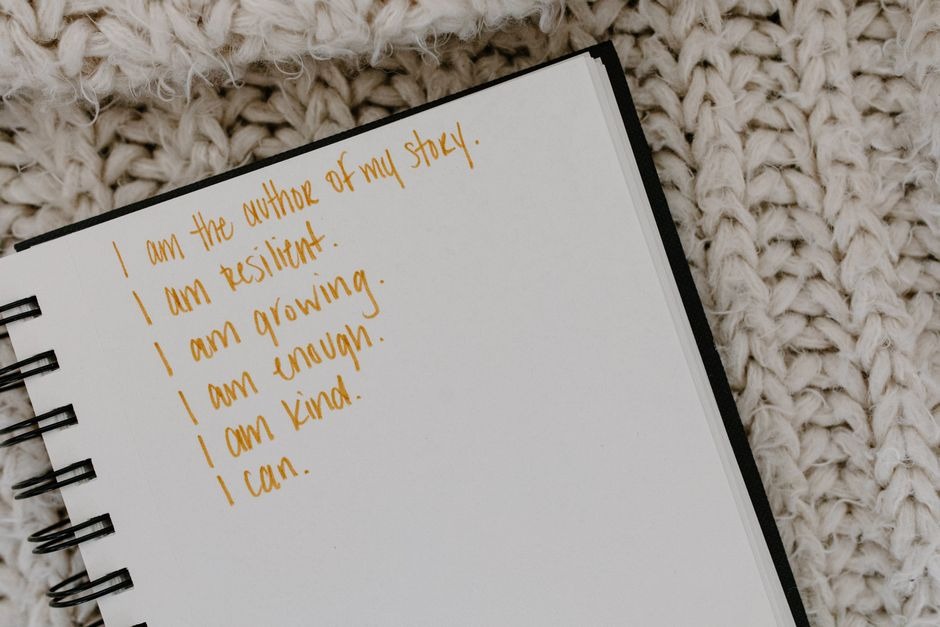
Low self-esteem rarely announces itself in obvious ways. It often shows up in your daily routines, relationships, school performance, and even the way you interpret small setbacks. Research suggests the issue is not uncommon: one study of more than 1,000 university students found that 24.1% had low self-esteem, while another study of collegiate student-athletes found about 8% were at risk.
The effects can reach beyond confidence alone. Longitudinal research involving 642 college students found that lower self-esteem predicted later social difficulties, even after accounting for other personality factors. If you keep brushing off your own needs, expecting criticism, or feeling like everyone else somehow got the rulebook for confidence, it helps to look closer. Early signs matter because self-esteem can shape how you handle pressure, relationships, setbacks, and recovery when life gets messy.
What Low Self-Esteem Actually Looks Like in Daily Life
Low self-esteem isn’t just “feeling bad about yourself.” It can affect how you speak, think, and move through ordinary situations. You might apologize constantly, avoid trying new things, or assume people are judging you even when nothing suggests it.
A lot of it hides behind habits that seem normal at first:
– Downplaying your achievements
– Calling yourself lazy, stupid, or annoying
– Needing constant reassurance
– Avoiding eye contact or social situations
– Overthinking minor mistakes for hours
You may also become a perfectionist, which sounds productive until it starts running your life like a tyrannical project manager. Instead of helping you improve, perfectionism can keep you stuck, scared to begin anything unless success feels guaranteed.
Healthy Support Options, Including Digital Tools
Improving self-esteem usually takes more than repeating affirmations in the mirror and hoping for a cinematic breakthrough. Real support often combines self-awareness, behavior changes, and sometimes professional help.
Useful options can include:
– Counseling or psychotherapy
– Cognitive behavioral strategies
– Journaling with specific prompts
– Support groups
– School mental health services
– Guided digital mental health tools
Some people also explore AI therapy for low self esteem as a structured support option. In practice, tools like that may help you reflect on negative thought patterns, practice emotional regulation, and build more consistent habits between therapy sessions or during periods when traditional support feels less accessible.
The key is using any tool thoughtfully. Digital mental health support can be helpful, but it shouldn’t replace crisis care or ignore serious symptoms that need direct professional attention.
How Self-Esteem Connects to Anxiety, Depression, and Stress
Your self-esteem plays a major role in how you process stress. If you already believe you’re not good enough, setbacks can feel like proof instead of temporary problems. A bad grade becomes “I’m useless.” One awkward conversation becomes “Nobody likes me.”
That pattern can fuel anxiety and depression. According to the National Institute of Mental Health, negative thinking patterns often interact with broader mental health symptoms in ways that make both harder to manage. When your inner commentary is relentlessly harsh, your brain stays on alert.
Stress also hits differently. You may struggle to recover after criticism, compare yourself with everyone around you, or assume you’re failing even when you’re doing reasonably well. Over time, that mental load can affect sleep, concentration, appetite, and motivation.
Early Warning Signs You Shouldn’t Ignore
Some warning signs are subtle, especially if they’ve been part of your personality for years. You may think, “That’s just how I am,” when it’s actually a pattern worth addressing. Paying attention early gives you more room to interrupt the cycle.
Watch for signs like these:
– You avoid opportunities because you expect failure
– Compliments make you uncomfortable or suspicious
– You replay embarrassing moments far more than positive ones
– You let other people define your worth
– You stay in unhealthy friendships or relationships
– You constantly compare your body, grades, or social life to others
Physical and behavioral changes can matter too. You might isolate yourself, procrastinate more, or feel emotionally drained after basic interactions. If your self-worth depends completely on external validation, even small social shifts can feel huge.
Why Social Media Can Make It Worse
Social media doesn’t create low self-esteem on its own, but it can absolutely act like gasoline on a small fire. You’re exposed to curated images, filtered appearances, achievement highlights, and carefully edited lives. Your behind-the-scenes reality then gets compared with everyone else’s highlight reel.
That comparison loop can be brutal. You may start measuring your value through likes, views, body image, productivity, or popularity. Even if you know content is staged, your brain may still react emotionally.
The American Psychological Association has pointed to the complex relationship between digital environments and mental well-being, especially for teens and young adults. If scrolling leaves you feeling smaller, not inspired, pay attention. That reaction isn’t dramatic. It’s data.
A helpful move is auditing who you follow. If someone’s content reliably makes you feel inadequate, unfollowing is less “being sensitive” and more basic emotional hygiene.
Practical Ways to Rebuild Self-Esteem Over Time
Self-esteem improves through repetition, not one giant revelation. You build it by changing how you respond to yourself day after day. That process can feel slow, which is annoying, but slow doesn’t mean ineffective.
Try focusing on a few concrete actions:
– Notice self-insults and replace them with accurate language
– Set small goals you can actually complete
– Spend less time with people who constantly undermine you
– Keep evidence of progress, effort, and strengths
– Learn to separate mistakes from identity
– Practice saying no without overexplaining
It also helps to challenge the standard in your head. Ask yourself: would you say this to a friend? If not, your internal script probably needs editing. Not a complete software reboot overnight, just fewer glitches and less emotional malware.
Confidence grows when your actions start matching self-respect, even before you fully feel it.
When It’s Time to Reach Out for More Help
Sometimes low self-esteem is part of a bigger mental health picture. If you feel hopeless, numb, panicked, worthless, or unable to function normally, it’s time to talk to someone qualified. You do not need to wait until things become unbearable.
Reach out if:
– Your mood is interfering with school, work, or relationships
– You’re avoiding daily responsibilities
– You feel persistently anxious or depressed
– You’re using food, substances, or self-isolation to cope
– You have thoughts of self-harm or suicide
In urgent situations, use immediate support such as the 988 Suicide & Crisis Lifeline. For non-emergency concerns, a doctor, therapist, school counselor, or licensed mental health professional can help you figure out what’s happening and what support fits best.
Low self-esteem can be loud or quiet, obvious or deeply disguised. Either way, it deserves attention. The earlier you notice the pattern, the easier it becomes to interrupt it and build something steadier in its place.

Stay updated, free articles. Join our Telegram channel

Full access? Get Clinical Tree


