Setting up a new research lab is an amazing experience, with demanding choices that can affect both efficiency and success. The choice of instruments to purchase and the required storage facilities must align with the laboratory’s goals and be within the allocated budget. With this approach, waste of money will be minimized, and the researchers will be well-equipped from the beginning. The purpose of this lab equipment selection guide is to discuss some of the major considerations you need to make when setting up a laboratory from scratch.
In addition to the lab tech specs, buyers will look at other industry sources to get a sense of the performance standards and criteria for each assignment. Checking manufacturer resources like https://www.ika.com/en alongside independent reviews helps build a clearer picture of what each tool can realistically deliver. Creating a smart buying plan helps you compare brands and ensures you pick the best one for top results.
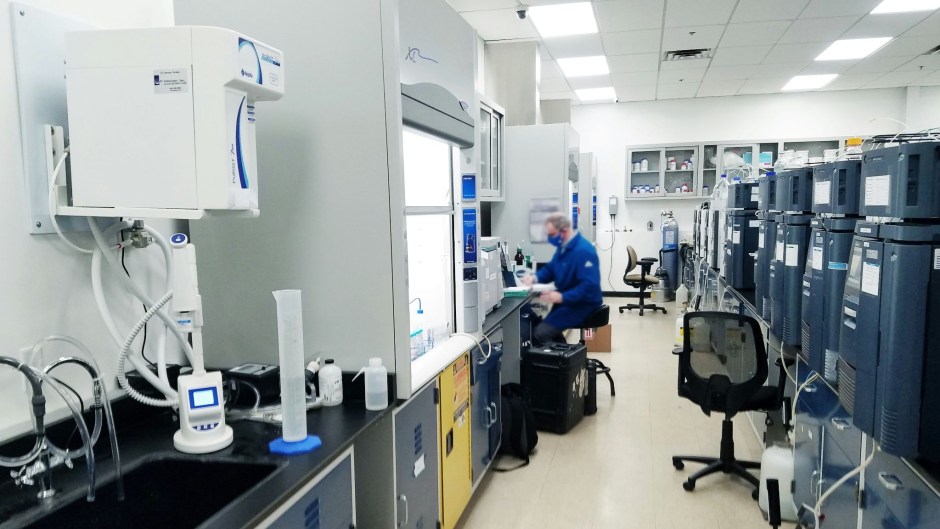
The Core Needs of Your Research Lab
Decide on the laboratory’s use before buying equipment. Yet chemical laboratories must also consider additional pieces of lab equipment when determining what to buy. By identifying your requirements for the present and the future, it will be easier to assess whether the equipment you’ve found is suitable to meet those requirements, or will only gather dust at the back of a shelf somewhere.
In addition, when calculating your costs, you should consider the number of personnel working for you, the total size of the laboratory space that you have, and the extent of the work you’ll undertake.
Creating a Strategic Lab Equipment Budget
A proper budget will also consider all of the ongoing costs of owning any given item. Those costs can cover maintenance, calibration, and installation, plus training and future upgrades too.
Writing a laboratory equipment checklist helps you prioritize spending. In labs with not enough funds, starting with the basics and adding more as needed makes sense. Also, setting aside money for surprises like extra repairs is smart.
Essential Categories of Laboratory Equipment
The types of equipment required for a specific discipline are dependent on that discipline, but most laboratories have several essential types of equipment and support systems.
- Analytical instruments for measurement and testing.
- Sample preparation equipment.
- Storage and preservation systems.
- Safety equipment and monitoring devices.
- Data collection and documentation tools.
- Cleaning and sterilization equipment.
A detailed laboratory equipment checklist helps you avoid missing any key equipment for your lab operations or safety.
Choosing Equipment Based on Research Specialization
Laboratory equipment selection must follow the specifics of your lab. An example would be A Microbiology lab will have different laboratory equipment than a Chemistry lab. Therefore, a comprehensive lab equipment selection guide is useful. Choosing instruments by popularity or price is not the best strategy; researchers should consider how each instrument would facilitate planned experiments and anticipated future projects.
Taking scalability into account is also essential. Instruments capable of adjusting to evolving research needs may hold more long-term value than specialized tools with limited uses.
Evaluating Quality, Accuracy, and Performance Standards
Data validity and reliability decrease the impact on the quality of research results. All apparatus should conform to existing industry standards and operate effectively when used.
If you want an instrument for your work, bear in mind the precision, accuracy, repeatability, and calibration you require. You could find independent tests and publications in scientific journals.
Not only does good equipment produce reliable research results, but it also saves you money on repairs and lost production.
New vs Secondhand Laboratory Equipment: Factors to Evaluate
The choice between new and used equipment primarily depends on your requirements. New equipment comes with guarantees and features the most recent technological advancements. With it, labs face way fewer breakdowns during ongoing research. So, many opt for the new stuff despite the higher cost.
One must remember that buying used laboratory equipment can help reduce expenses for labs that cannot afford new equipment for various reasons. You must consider all maintenance and calibration issues before buying used laboratory equipment.
Supplier Selection and Procurement Strategy
Just as important as the equipment is identifying the proper supplier. The ideal supplier provides not only support but also training and maintenance, along with clear warranty terms. Be sure to get down to the details of the quote, comparing delivery times and other features. Creating good supplier relations will be useful in future procurements. An organized procurement strategy limits risk and makes equipment purchases more strategic.
Conclusion
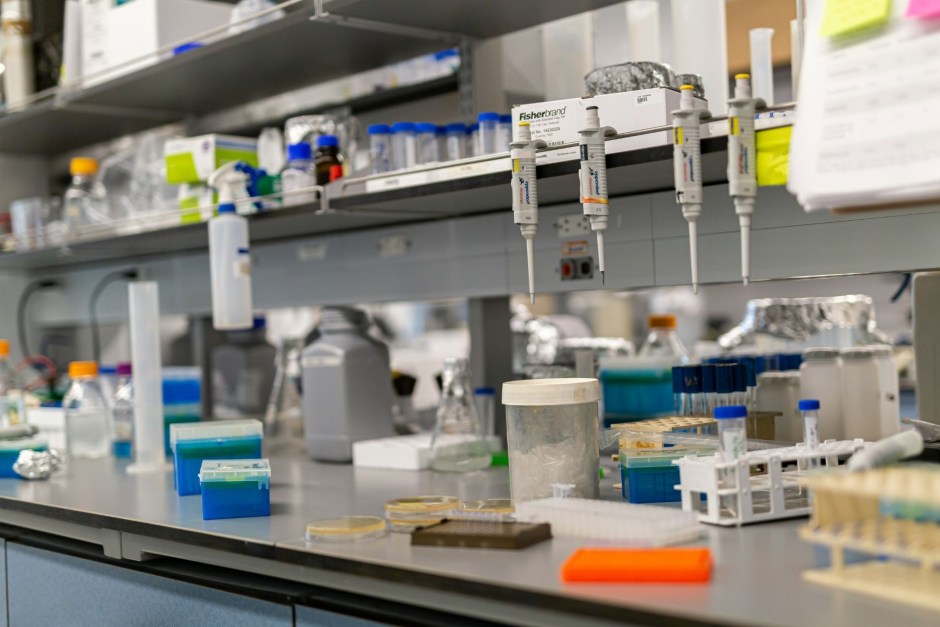
When outfitting a laboratory, consider your intended research, design, and budget; all three will help you determine whether to purchase new or used equipment.
Have you completed building or stocking up a laboratory? Leave a comment sharing your experience selecting equipment.

Stay updated, free articles. Join our Telegram channel

Full access? Get Clinical Tree


