Quick Answer
Preventative botox uses small doses of botulinum toxin to relax the facial muscles responsible for repeated expressions. By limiting that movement before deep creases form, it slows the etching of lines into the skin. It does not freeze the face or stop the clock entirely. Younger candidates with strong expressive movement often see the clearest benefit when treatment is paired with sun protection and consistent skincare.
Introduction
Anyone who studies facial movement closely notices the same pattern. The forehead, the area between the brows, and the outer corners of the eyes fold thousands of times a day, and over the years, those folds leave a permanent mark. This is the logic behind wrinkle prevention as a strategy rather than a repair job. Instead of softening existing lines, the goal is to intervene while the skin is still fully elastic.
That shift in timing is what makes the approach worth understanding. Treatment delivered by licensed medical injectors, supported by careful facial mapping and precise dosing, can calm overactive muscles without erasing natural expression. A reputable Botox clinic in Calgary will assess muscle strength and skin quality before recommending anything, since prevention only works when the plan matches the face in front of them.
The Science of Lines Before They Set
Facial lines do not appear all at once. They develop through a slow interaction between muscle activity and the gradual decline of the skin’s support structure, which is why timing sits at the centre of any prevention conversation. Understanding the mechanism makes the rationale for early intervention far clearer.
Dynamic Versus Static Creases
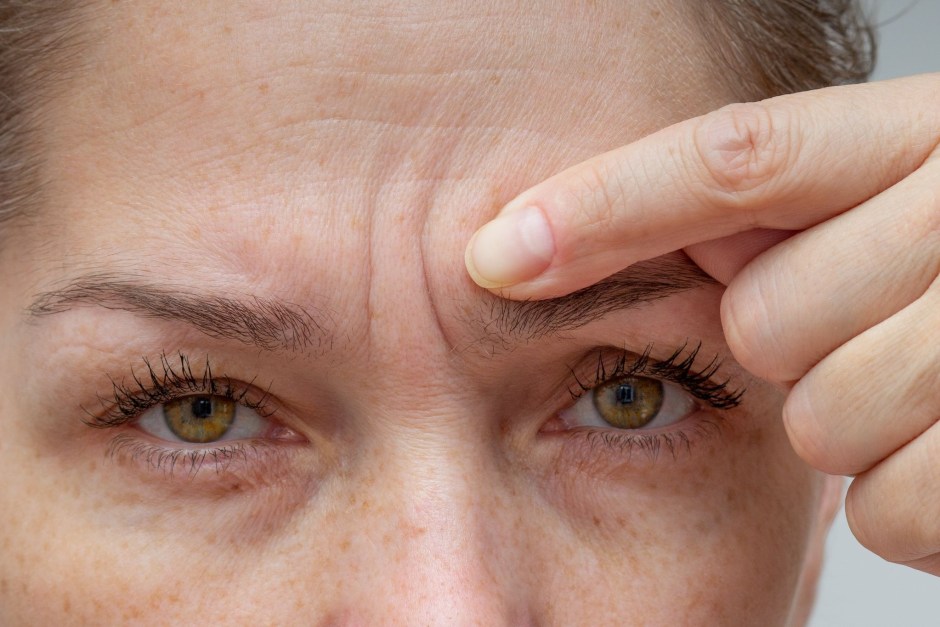
Every expressive movement pulls on the soft tissue above it. Early in life, the skin folds and then recovers completely, leaving no trace once the face relaxes. These are dynamic wrinkles, visible only during motion such as frowning or squinting.
Over time, repeated folding combined with collagen loss allows those same lines to remain even at rest, at which point they become static wrinkles. The transition from one to the other is the moment most clinicians want to delay, because a resting crease is considerably harder to soften than one that only appears with movement.
What Drives the Underlying Change
Several factors accelerate the shift from temporary folds to fixed lines. The process of skin aging combines internal and external pressures, and the most influential ones are worth separating clearly:
- Repetitive muscle contraction, which mechanically scores the dermis along consistent fold lines
- Collagen and elastin depletion, reducing the skin’s ability to spring back after movement
- Cumulative UV exposure, which degrades structural proteins faster than the body rebuilds them
- Reduced hydration and slower cell turnover, leaving the surface less resilient year over year
The result is a predictable pattern. Lines settle first where movement is strongest and skin support is weakest, typically across the forehead and around the eyes.
Why Timing in Your 30s Changes the Math
The conversation around early treatment often stops at age, yet the more useful question concerns how muscles behave over time. This is where the case for acting sooner becomes a matter of physiology rather than vanity.
The Muscle Memory Argument
When a muscle contracts less frequently, it gradually weakens and settles into a lower baseline tone, a principle well established in muscle physiology. Applied to the face, calming an overactive muscle before it carves a permanent groove means the surrounding skin endures less repetitive stress.
Choosing preventative Botox at this stage works with that natural adaptation rather than against an established crease. Many people who begin in their fourth decade are treating movement that has not yet left a fixed mark, which is a meaningfully different starting point.
The Dose Titration Advantage
Here is the detail most introductory guides overlook. Because lightly treated muscles tend toward lower resting activity across the years, maintenance amounts often trend smaller for those who start earlier and stay consistent. The practical implications are worth listing plainly:
- Lower cumulative product over a treatment history, since weakened muscles need less to stay relaxed
- Longer intervals between sessions for some patients as baseline movement quiets
- More natural results, because subtle dosing preserves expression far better than aggressive correction later
Considering Botox in your 30s, therefore, reframes the decision as ongoing management rather than a quick cosmetic fix. The payoff is an approach that can prove gentler on both the face and the schedule.
In practice, the value of early timing lies in restraint. Treating less, and treating sooner, frequently outperforms heavier correction once lines have set.
Building a Realistic Prevention Plan
Early intervention rarely works in isolation. The strongest outcomes come from pairing muscle-relaxing injections with supporting habits and procedures, which is why a sound plan looks at the whole picture rather than a single appointment.
Setting Honest Expectations
Injectables address movement, yet they do little for surface texture, pigment, or volume loss. A balanced strategy combines several anti aging treatments so that each one covers a different layer of the skin. The most effective supporting measures are straightforward to adopt:
- Daily broad-spectrum sun protection, the single most evidence-backed defence against premature lines
- Topical retinoids, which encourage collagen renewal and steady cell turnover
- Energy-based resurfacing, such as radiofrequency or fractional devices that firm the deeper structure
- Consistent hydration and barrier care, keeping the surface supple and resilient
Matching the Method to the Goal

Different concerns call for different tools, so comparing them side by side clarifies where each one fits within a prevention-focused routine.
| Approach | Primary Target | Typical Onset | Best Suited For |
| Muscle-relaxing injections | Expression lines | 2 to 6 days | Early dynamic movement |
| Topical retinoids | Surface renewal | 8 to 12 weeks | Texture and fine lines |
| Radiofrequency firming | Deep skin laxity | 6 to 10 weeks | Structural support |
| Daily sun protection | Long-term damage | Ongoing | Everyone, at any stage |
Read together, the table shows that no single method does everything. Layering them strategically is what produces durable, natural-looking results.
The takeaway is one of partnership between procedures and daily care. A thoughtful regimen, guided by qualified medical professionals, gives prevention the best possible foundation to build on over the coming years.
Why Early Wrinkle Prevention Pays Off
The case for acting sooner rests on physiology, not guesswork. Lines settle where movement is strongest and skin support is weakest, so calming that activity before creases fix in place gives the surface a genuine advantage.
A layered routine, combining injectables with sun protection, retinoids, and resurfacing, addresses each depth of the skin at once. Guided by qualified medical professionals, preventative Botox becomes one considered part of a broader plan rather than a standalone fix, and that measured approach is what protects natural expression over time.

Stay updated, free articles. Join our Telegram channel

Full access? Get Clinical Tree


